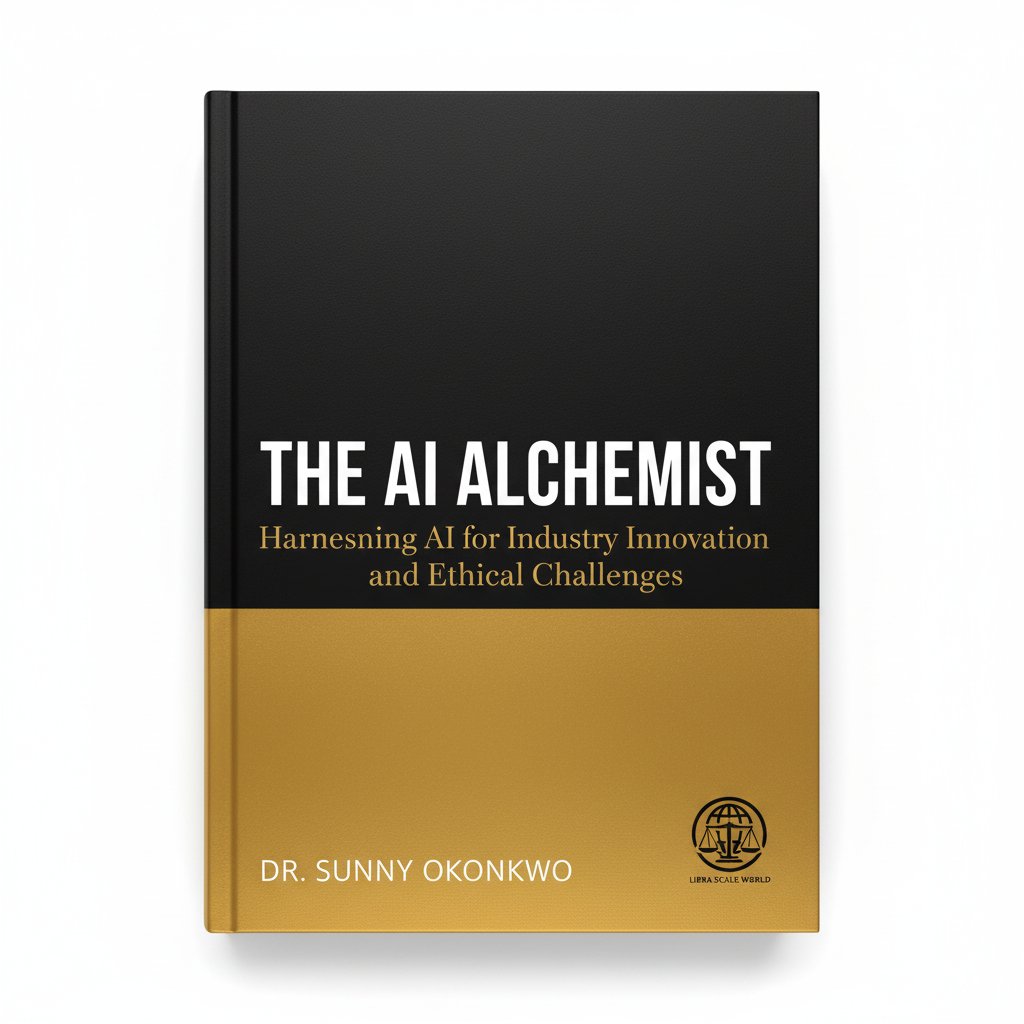
I did not set out to write seven books. The first one felt like an experiment — a way of articulating ideas I had been developing for years inside organisations, in a form that could travel further than a presentation slide or a conference speech. It worked better than I expected. And then the second one. And then the third. By the time I was writing the fourth, I understood something about publishing that I had not expected: writing a book does not just communicate your ideas. It changes how you think about them.
I want to share what the experience of writing and publishing has actually done for my career — not the sanitised version, but the honest account, including the parts that were harder than I anticipated and the outcomes that surprised me.
What Publishing Actually Does for Your Credibility
There is a persistent myth in professional circles that credibility comes from credentials — the degrees, the certifications, the job titles. Credentials matter. But they are table stakes. Every room I walk into these days is full of people with impressive credentials. What distinguishes some of them from others is not the letters after their name. It is the clarity and depth of their thinking, and the evidence that they have articulated that thinking in ways that others have found valuable.
A book is evidence of that. Not just evidence that you know things — anyone can claim to know things. Evidence that you have organised your knowledge into a coherent argument, stress-tested it against counterexamples, expressed it clearly enough that a general reader can follow it, and committed to it publicly. That combination of organisation, clarity, and public commitment signals something about intellectual seriousness that no job title or certification conveys.
The first time a conference organiser introduced me as the author of The AI Alchemist rather than as Head of Data Analytics at Ikeja Electric, I understood that publishing had repositioned me in a way that twenty years of career progression alone could not have achieved.
The Unexpected Benefits
Clarity of Thought
The most valuable thing writing has done for me is not the audience it has created. It is what the process of writing has done to my thinking. Writing forces a precision that thinking does not. You can hold a vague but appealing idea in your head for years. The moment you try to write it down clearly enough that a stranger can understand it, its weaknesses become apparent. The books I have written are better than the ideas I started with — not because I am a good writer, but because the writing process is a rigorous form of thinking.
Conversations That Would Not Otherwise Happen
Books open doors in ways that other credentials do not. I have had conversations with executives, policymakers, researchers, and practitioners that began because they had read something I wrote and wanted to discuss it. These conversations lead to consulting engagements, speaking invitations, research collaborations, and occasionally friendships. The book is the beginning of a relationship, not the end of one.
A Platform That Compounds
Each book builds on the audience of the previous one. The people who read The AI Alchemist became the early readers of The AI Revolution. Those who found value in The Lamp were receptive to Inside the System. The platform compounds in a way that individual pieces of content — however good — do not. A LinkedIn post reaches people once. A book reaches people over and over, as it is recommended, gifted, and referenced by readers who found it useful.
What I Would Tell Someone Starting Out
Write about what you know from direct experience, not about what you have read. The most valuable knowledge in any field is the practitioner knowledge — the things that are true in practice but not in theory, the failure modes that the textbooks do not mention, the principles that actually work in the specific context you inhabit. That knowledge is yours. Nobody else has it. It is the foundation of genuine thought leadership.
Do not wait until you feel ready. I have spoken to dozens of practitioners who have valuable ideas and the ability to articulate them, who are waiting for the right moment, the right credentials, or the right level of seniority before they write. That moment does not come. The seniority will not feel sufficient. Write now, with what you know now, from where you are now. The process will make you more ready for the next book than any amount of waiting.
And finally — write for one reader. Not for a demographic. Not for a market. For one specific person who needs what you know and does not currently have it. If you can see that person clearly, the writing will find its way to them. The AI Alchemist was written for the executive who knows they need to act on AI but does not know where to start. Every page was written with that person in mind. That specificity is why it found its audience.
Work With Dr. Sunny Okonkwo
Looking to deploy AI in your organisation or book a keynote speaker? Let's talk.
📅 Book a Free Discovery Call View Consulting Packages
Dr. Sunny Okonkwo
AI Strategist · Decision Intelligence Expert · Digital Transformation Leader. Head of Data Analytics at one of Africa's largest energy and utility companies. Author of 7 books including the #1 International Bestseller The AI Alchemist. Keynote speaker at IIBA, Big Data Summit Canada, Global Summit, and UNICAF.