I have presented AI investment proposals to boards and executive committees more times than I can count. Some sailed through. Some were rejected. Some were approved in principle and then quietly defunded six months later. The difference between the ones that succeeded and the ones that did not was rarely the quality of the underlying analysis. It was the narrative — how the proposal was framed, what evidence was presented, and how the risks were addressed.
Here is what I have learned about making the case for AI investment at board level.
What Boards Are Actually Worried About
Before you can address a board's concerns, you need to understand what they are. In my experience, the concerns are almost never about AI as a technology. They are about four things: financial risk (will this investment deliver the promised returns?), reputational risk (what happens if the AI makes a high-profile mistake?), execution risk (does the organisation have the capability to deliver this?), and strategic risk (are we investing in the right things at the right time?).
A proposal that addresses these concerns directly and honestly will get further than one that focuses on the technology's capabilities. Boards are not impressed by AI. They are impressed by rigorous thinking about how AI will deliver specific value in their specific organisation.
The Narrative That Works
Lead With the Problem, Not the Solution
Start with the operational or financial problem you are solving — expressed in the organisation's own language and quantified in terms the board cares about. Not "we need better analytics" but "we are losing $X in revenue annually to commercial losses that current detection methods cannot identify at scale." The AI is the solution. Never lead with the solution before you have established the problem.
Show the Pilot Results
Boards are much more persuaded by evidence of actual performance in the organisation's context than by vendor case studies or academic research. If you have pilot results, lead with them. If you do not, propose a structured pilot as the first phase of investment rather than asking for full programme funding. A board that approves a $200,000 pilot is a board that can approve a $2 million programme if the pilot performs.
The most effective board presentation I have ever given started with a single slide: the revenue recovery from a six-week pilot programme, expressed as a multiple of the pilot cost. The rest of the presentation was detail. The decision was made in the first two minutes.
Address the Failure Mode Directly
Every AI investment has a failure mode — a scenario where the programme does not deliver the expected results. Boards know this, and they are more reassured by proposals that acknowledge and address failure modes honestly than by proposals that project nothing but upside. Describe the two most likely reasons the programme might underdeliver, and explain how you will identify them early and respond. This demonstrates rigour and builds confidence that you are prepared for reality.
Quantify the Cost of Inaction
The most overlooked element of AI investment proposals is the cost of not investing. Every month the organisation continues without AI-powered revenue assurance, it loses X in recoverable revenue. Every quarter without predictive maintenance, it incurs Y in avoidable emergency repair costs. Framing the investment as risk mitigation rather than opportunity creation resonates differently with boards — and it is often a more honest framing of what is actually at stake.
After Approval: How to Sustain Board Confidence
The board presentation is the beginning of the relationship, not the end. Quarterly updates that are honest about progress, challenges, and course corrections maintain confidence better than updates that only report successes. Boards that feel they are getting the full picture maintain their commitment through difficulties. Boards that feel they are being managed become sceptical the first time something goes wrong.
Work With Dr. Sunny Okonkwo
Ready to deploy AI that actually changes how your organisation operates?
📅 Book a Free Discovery CallView Consulting Packages
Dr. Sunny Okonkwo
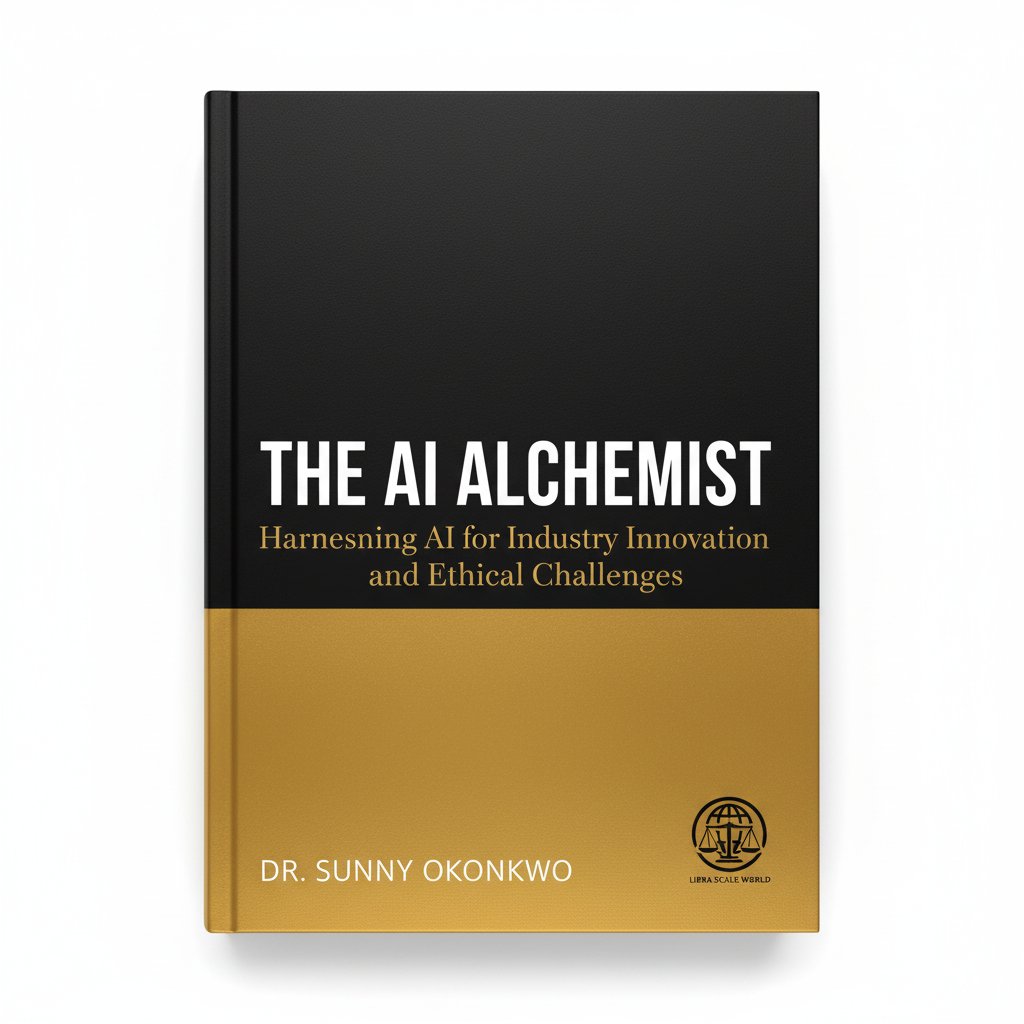
AI Strategist · Decision Intelligence Expert · Head of Data Analytics at one of Africa's largest energy and utility companies. Author of 7 books including the #1 Bestseller The AI Alchemist.