I have spent fifteen years advocating for data-driven decision making and AI deployment in African organisations. I have seen the approach produce genuinely transformational results in some organisations. I have also watched well-designed programmes fail in ways I did not anticipate, seen assumptions I was confident about turn out to be wrong, and made decisions that, in retrospect, I would make differently.
Professional writing about AI and analytics tends to emphasise success and underemphasise failure. This is understandable but it is not useful. The failures contain the most important information. Here are mine.
I Underestimated How Long Trust Takes to Build
In the early years of my career, I assumed that if the data was right and the analysis was rigorous, people would act on it. I was wrong. Trust in data is built slowly, incrementally, through repeated experience of data being accurate, relevant, and useful. An organisation that has been burned by unreliable data — and most African organisations have — carries that scepticism into every new analytics initiative. I used to see this scepticism as an obstacle to overcome. I now understand it as a reasonable response to history that needs to be addressed through demonstrated reliability, not through argument.
I Overestimated the Importance of Technical Sophistication
Some of the highest-impact analytics work I have done has used very simple methods — basic statistical analysis, straightforward anomaly detection, elementary time series forecasting. Some of the most technically sophisticated work I have commissioned has produced almost no operational impact. The relationship between technical complexity and operational value is weak. The relationship between problem clarity and operational value is strong. I spent too many years optimising for the former when I should have been focused on the latter.
The most valuable lesson of my career is that a simple model solving the right problem is worth infinitely more than a sophisticated model solving the wrong one. I learned this lesson multiple times before I fully internalised it.
I Underestimated the Role of Middle Management
I spent most of my early career focused on executive sponsorship and front-line adoption. I largely ignored middle management — the layer that actually implements strategic decisions and manages the daily work of field teams and operations units. This was a mistake. Middle managers who are not engaged, not informed, and not given the tools and incentives to support data-driven approaches will neutralise them. Not through deliberate resistance — through the thousand small decisions they make daily that either reinforce or undermine the practices the analytics programme is trying to embed.
I Was Too Optimistic About Data Quality Timelines
Every analytics programme I have designed has taken longer than planned to produce reliable results, because data quality improvement has taken longer than planned. I have consistently underestimated the depth of data quality problems in organisations I was working in, and consistently overestimated the speed at which those problems could be resolved. The rule I now apply — multiply your data quality improvement timeline estimate by three — is based on hard experience. If the estimate still makes the programme viable, proceed. If it does not, address the data quality issues before committing to the analytics programme.
What I Would Do Differently
Earlier focus on the decision architecture — understanding precisely which decisions the analytics was meant to improve — before committing to any analytical approach. More investment in relationship-building with middle management. More honesty with sponsors about realistic timelines. And earlier, more frequent, smaller demonstrations of value — building credibility incrementally rather than waiting for a comprehensive programme to deliver a large result at the end.
Work With Dr. Sunny Okonkwo
Ready to deploy AI that actually changes how your organisation operates?
📅 Book a Free Discovery CallView Consulting Packages
Dr. Sunny Okonkwo
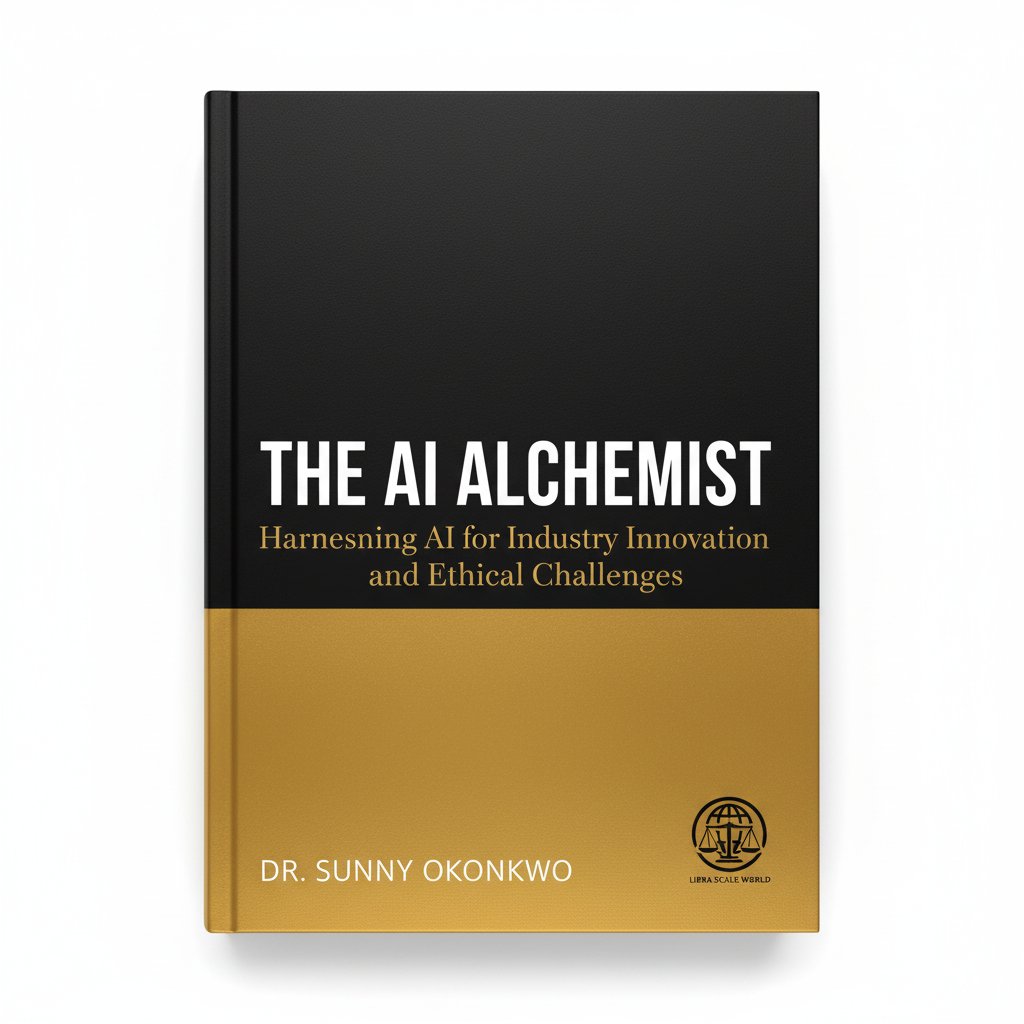
AI Strategist · Head of Data Analytics at one of Africa's largest energy and utility companies. Author of 7 books including the #1 Bestseller The AI Alchemist. Keynote speaker at IIBA, Big Data Summit Canada, Global Summit, and UNICAF.