In organisations where AI and analytics programmes are driven primarily by one or two exceptionally capable individuals, a particular kind of vulnerability develops. The programme delivers results. Leadership attributes those results to the individuals — correctly. Those individuals become critical dependencies. And when they leave — as talented people in a competitive market eventually do — the programme stalls, regresses, or collapses entirely.
I have watched this happen multiple times. It is not a failure of the departing individuals. It is a failure of organisational design — specifically, the failure to build AI and analytics capability as an institutional asset rather than as a collection of individual competencies.
Why AI Capability Is Hard to Sustain
The Knowledge Concentration Problem
AI and analytics programmes accumulate enormous amounts of institutional knowledge — knowledge about data sources and their quirks, about model assumptions and limitations, about why certain analytical approaches were tried and discarded, about the operational context that makes a model useful or not. This knowledge tends to concentrate in the heads of the people who built the programme. When those people leave, the knowledge leaves with them. The models continue to run. The understanding of when to trust them, when to be sceptical, and how to improve them does not.
The most valuable knowledge in any AI programme is not in the code. It is in the people. The person who knows why the transformer failure model underperforms in the rainy season. The person who knows which data quality issues to watch for in the billing system after month-end processing. This knowledge takes years to develop and hours to lose when the person walks out the door.
The Talent Market Reality
Data scientists and AI engineers are among the most mobile professionals in any labour market. Demand for their skills significantly exceeds supply. Organisations that invest in developing data science talent are often investing in talent that their competitors will hire away. This is not a reason not to invest — it is a reason to invest in capability architecture, not just in people. The goal is to build systems, processes, and institutional knowledge that survive individual departures.
How to Build Durable AI Capability
Document Everything That Is Not in the Code
Model cards — structured documentation of what each model does, what data it uses, what assumptions it makes, where it performs well and where it does not, and what the operational context is — are the foundation of institutional AI knowledge. Every production AI system should have a model card. Every data source should have a data dictionary. Every analytical decision of consequence should be documented with the reasoning that led to it. This documentation is not bureaucracy — it is the difference between capability that survives personnel change and capability that does not.
Build Depth, Not Just Breadth
The most fragile configuration is one expert and no backup. The most resilient is two or three people with deep, overlapping expertise in each critical area — not broad familiarity, but genuine capability to maintain and extend the programme independently. Building this depth requires deliberate development investment, structured knowledge transfer, and the patience to let less experienced team members take ownership of components they are ready to own.
Embed Capability in Processes, Not Just People
AI capability that is embedded in documented processes, governance frameworks, and institutional routines — the weekly model performance review, the quarterly bias audit, the annual data quality assessment — survives personnel change more reliably than capability that exists only in individuals. Building these processes takes longer than hiring individuals. It produces capability that compounds over years rather than depending on any single person's continued presence.
Work With Dr. Sunny Okonkwo
Ready to deploy AI that actually changes how your organisation operates?
📅 Book a Free Discovery CallView Consulting Packages
Dr. Sunny Okonkwo
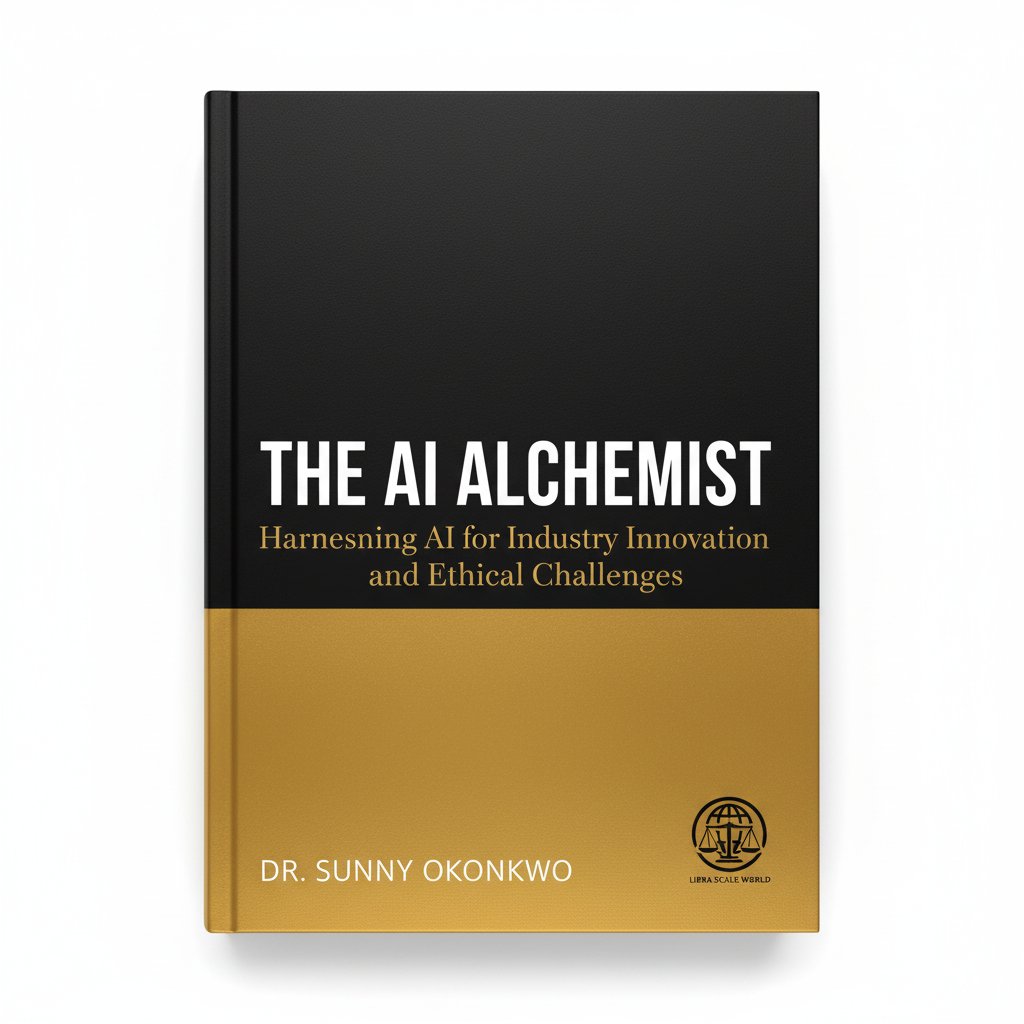
AI Strategist · Head of Data Analytics at one of Africa's largest energy and utility companies. Author of 7 books including the #1 Bestseller The AI Alchemist. Keynote speaker at IIBA, Big Data Summit Canada, Global Summit, and UNICAF.